
The stars aligned, I got a new job and formally resigned from the library spot that changed my career trajectory. It is a bittersweet evolution, but one that was much needed. I was feeling many things that are seemingly constant within the public school system…
Public Elementary librarianship…
Stuck, underpaid, under-resourced. Despite my invigorated sense of creativity towards my elementary library, I was met with constant roadblocks and general burnout from the inherent extra tasks in the day-to-day with students. On the other hand, it was also a year of feeling like I was finally getting the hang of things – familiar enough with my routine that I could successfully add elements thanks to my solidifying foundation.
I found a method of planning that allowed me to incorporate a monthly science experiment during lunch recess, ordering supplies ahead of schedule and going through test runs and iterations before the real thing.
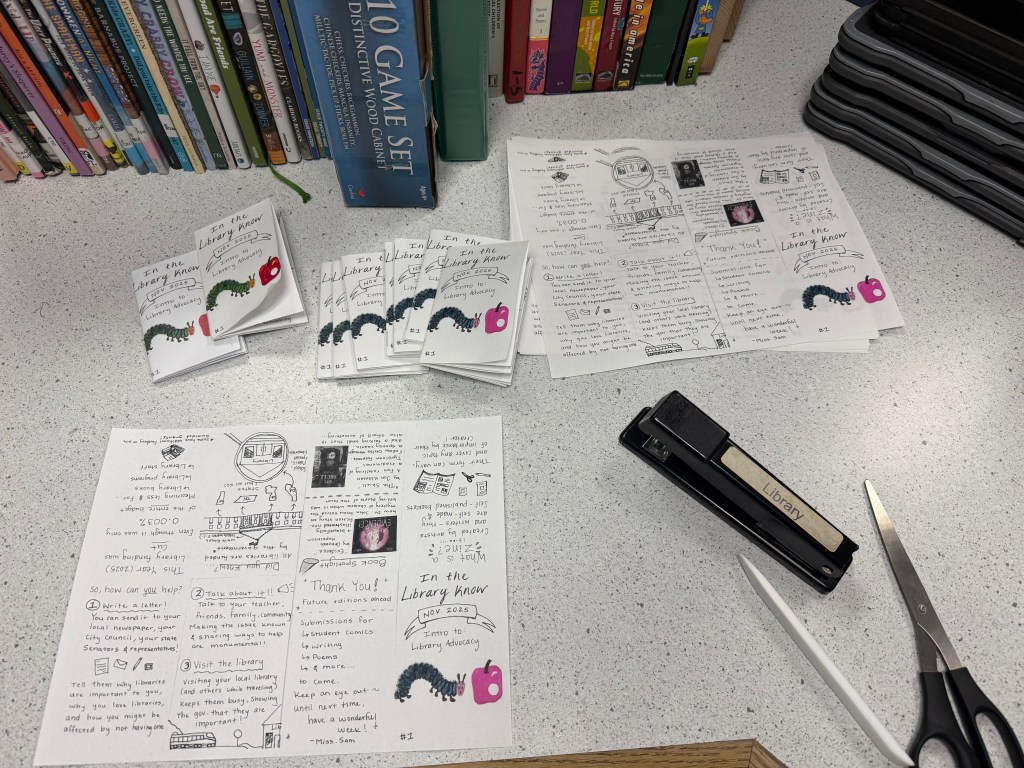
I created a zine the introduce other real world concepts to students while also allowing a space of publication for them to make it their own. I was very excited about this project, but got offered my new spot in the midst of making the second edition. Although I did not get to see this one through with my students, I am hoping to bring an iteration of it to the public library.
My elementary library will always hold a special place in my heart and my story as a person. It was my own library as a student, getting to take care of and promote the very books I read there, 15 years prior. I got to work alongside some of the teachers I had as a kid, and that was a truly unique and fulfilling experience. I was offered it by chance, simply being the right time right place, let alone at a time in my early 20’s where I was feeling especially lost and low.
I learned so much about librarianship in that position, and so much about the innerworkings of schools, their libraries, and how we can serve our TK-6 grade students. I will always be grateful to the fellow librarians I worked with and learned from, and the fantastic leaders at the TRC that trained me. Every librarian was different, and provided something to take away every time we met.
Next stop ~
Either way, as I transition into this new space of librarianship, I am met with all the usual friends of change; anxiety, overthinking, and elation. It is a confirmation that what I have worked toward the last few years came of something, roots to help form the next step in the career journey. Anxiety of unfamiliar routines and locations and coworkers, but I know in due time, this will fade and be replaced by an ease, and hopefully, confidence.
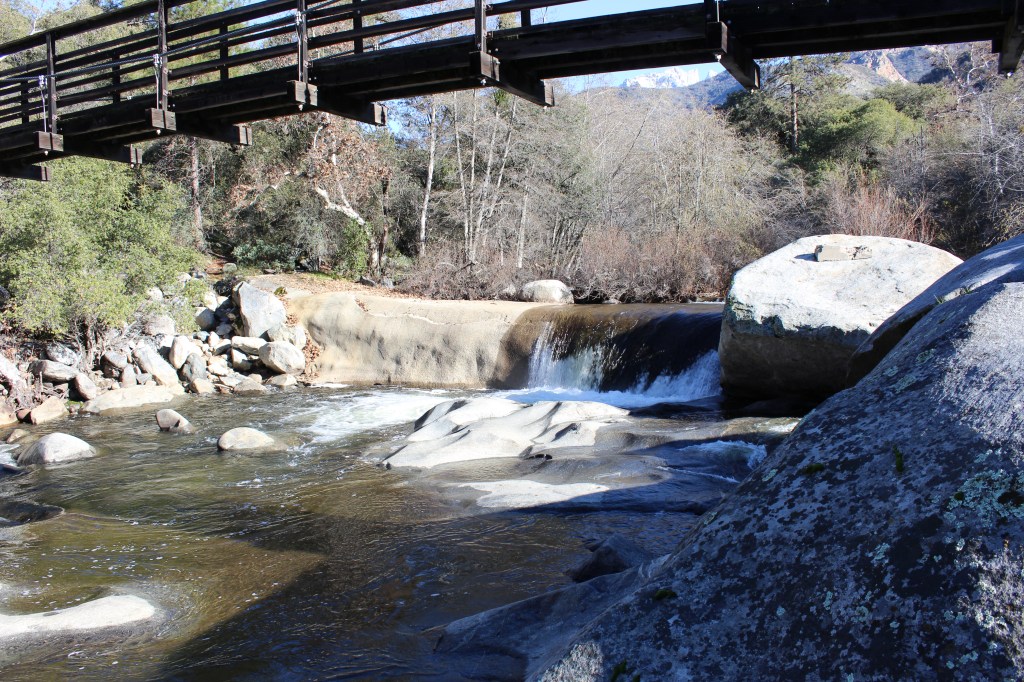
I know every type of library and work setting has its norms and downfalls and all the varying aspects of life and work. I am not saying the public library is the perfect space or that I won’t experience burnout or days lacking passion. However, I am excited to learn new skills, create new projects, and work with new people.
A fun side quest
My nephew is a notorious non-reader. However, as he’s nearing adulthood, he happened to ask me the best way to improve one’s vocabulary (I’m sure slightly inspired by impending college). This question happened to ignite passion for literacy, and I gave him an explanation as well as actionable things we could do to help! This of course included how one of the best ways to improve one’s vocabulary was by… reading—– a wild concept I know. With that being said, I wanted to figure out a tactic to aid his reading journey in a way that didn’t feel like homework.
Some accessible articles on the topic:
- “The Influence of Reading on Vocabulary Growth: A case for a Matthew Effect”. Duff, Tomblin, Catts, 2015, National Library of Medicine
- “Reading improves teenagers’ vocab, whatever their background, say researchers.” Bradshaw & Butler, 2017, UCL.
As a big journal/handwriting person, I did get him a nice notebook to serve as a brain dump for reading and vocab found. I know this isn’t everyone’s learning style, but he’s a teen who loves to draw and needsss to get more writing time from the screen forward school assignments. Also, I want for all to feel the absorbing, boundless worlds, and realities, that can be explored in writing.
It was fun to ‘research’ into what recommended readings there might be for his age-group, 17+. I haven’t interacted with that age-group in the library much yet, and while I remember what I was reading in high school at that age, I’m unaware of most that have been published since. I curated a selection of “recommendations” divvied into genres with little blurbs on the plot to pique interest. I included some listed written titles as well, just so I wasn’t spending 10 pages on these cut outs… I ordered a few that I listed from Thrift Books, so those have been slowly trickling in.
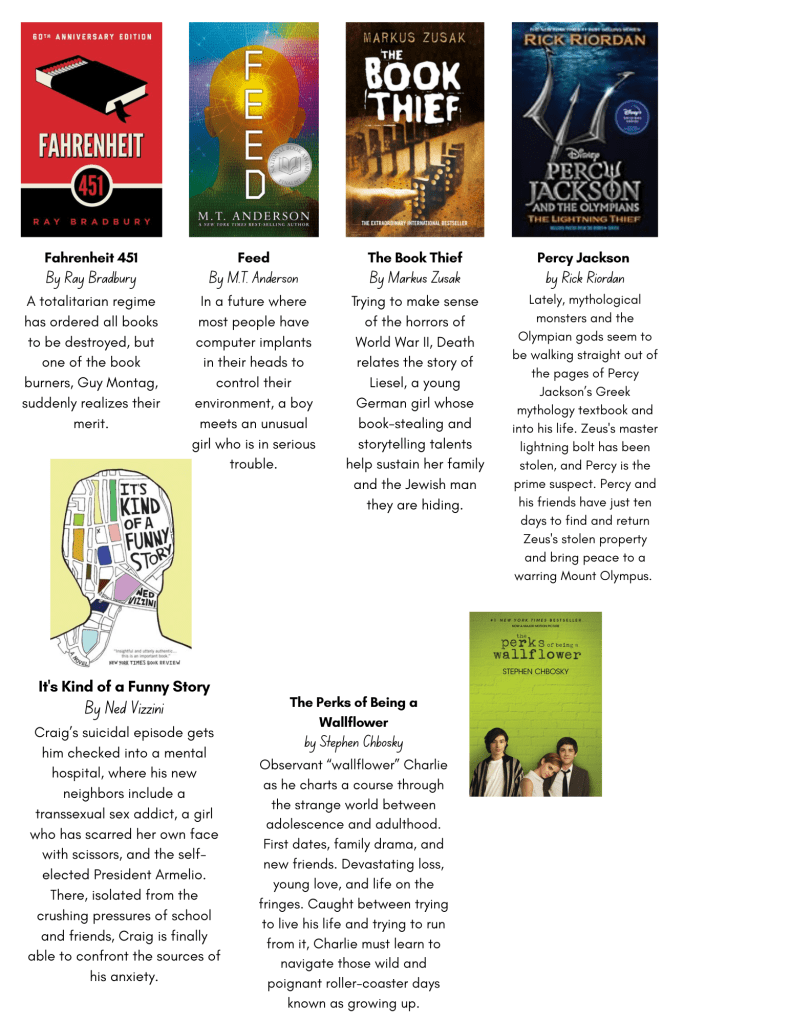
I should have taken a few photos but alas, I did not. I was excited to give him the notebook with related books in tow. I know, in theory, this is not someone’s dream Christmas gift, and I’m sure he was on the same boat as most might be. Regardless! I hope he enjoys it, uses it, and maybe finds a story or two that he comes to cherish as life goes on. As I do, for many of those late teen/ early adulthood books.
Down the rabbit hole, so to speak
As we enter the new year, I am not immune to the “newness” attributed to this holiday, celebration. As much as I follow by those cliches that a new day is a new day, don’t need to wait for the new year to start something… yada yada, you know. It also has an inherent newness, starting the journals and calendars that correspond, having time off from work (usually…) to reset the space you occupy. I am looking forward to being in a new environment and new cast and crew, despite the immense anxiety change and lack of knowledge that can take over.
Best of wishes,

References
Bradshaw, R., & Butler, K. (2017). Reading improves teenagers’ vocab, whatever their background, say researchers. UCL. https://cls.ucl.ac.uk/reading-improves-teenagers-vocab-whatever-their-background-say-researchers/
Duff, D., Tomblin, J.B., & Catts, H. (2015). The influence of reading on vocabulary growth: A case for a Matthew Effect. Journal of Speech, Language, and Hearing Research. 58(3). https://doi.org/10.1044/2015_JSLHR-L-13-0310
 Sam's Liberry
Leave a comment