• Creating Library Zines – Project

    While I was in my internship for Library Advocacy at San José State University, one of of my fellow students shared that she had created a zine for her high school student population. I loved the idea, and was curious how I could create one for my elementary students.

    It is never too early to introduce alternative forms of media, especially a form of self-publication that can enable them to think outside of the box, inspire creativity, and find their voice and passions.

    Research

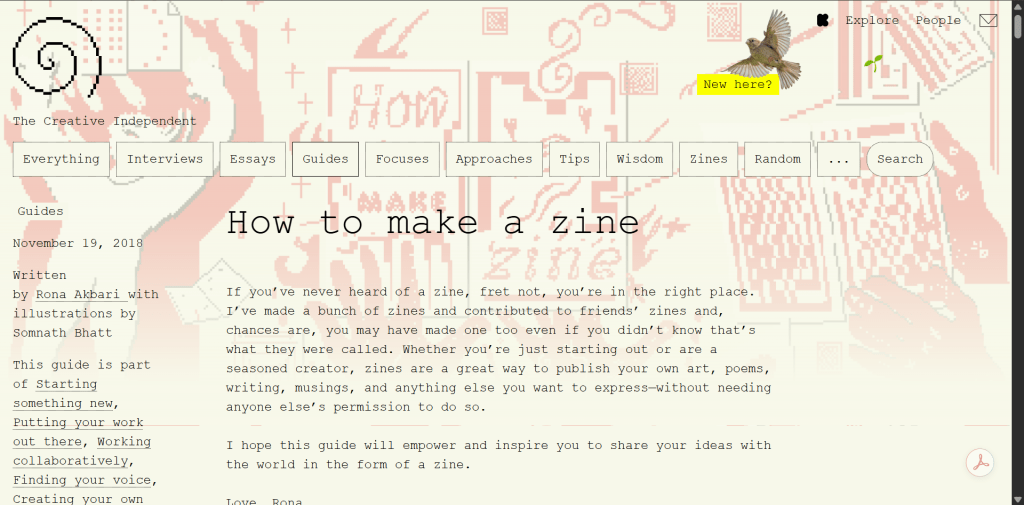
    I sat down one Wednesday and just got to drafting the layout after doing some research on zines and formats. I consulted a few resources, but one that brought me particular joy was a blog called “The Creative Independent”, with their wonderful post on how to make a zine. This site in general was not only inspiringly formatted, but it features an amalgamation of artist work, insight, and stories that could be delved into for hours on end. Highly recommend.
    After deciding on the format (a one page mini zine) that wouldn’t be too overwhelming to start, I picked a topic, and figured out the general topic of each page. From there, I got to writing and drawing!

    Overall, it took me about 2 hours from research > picking the layout and theme > writing and sketching. Once I was satisfied with the outcome, it came to the final draft that would be used to make my copies. I wanted this first edition to be nearly completely hand drawn, a media form that is being lost due to laptops and tablets in the classroom… I wanted to spark ideas for the next ones that seemed doable to them.
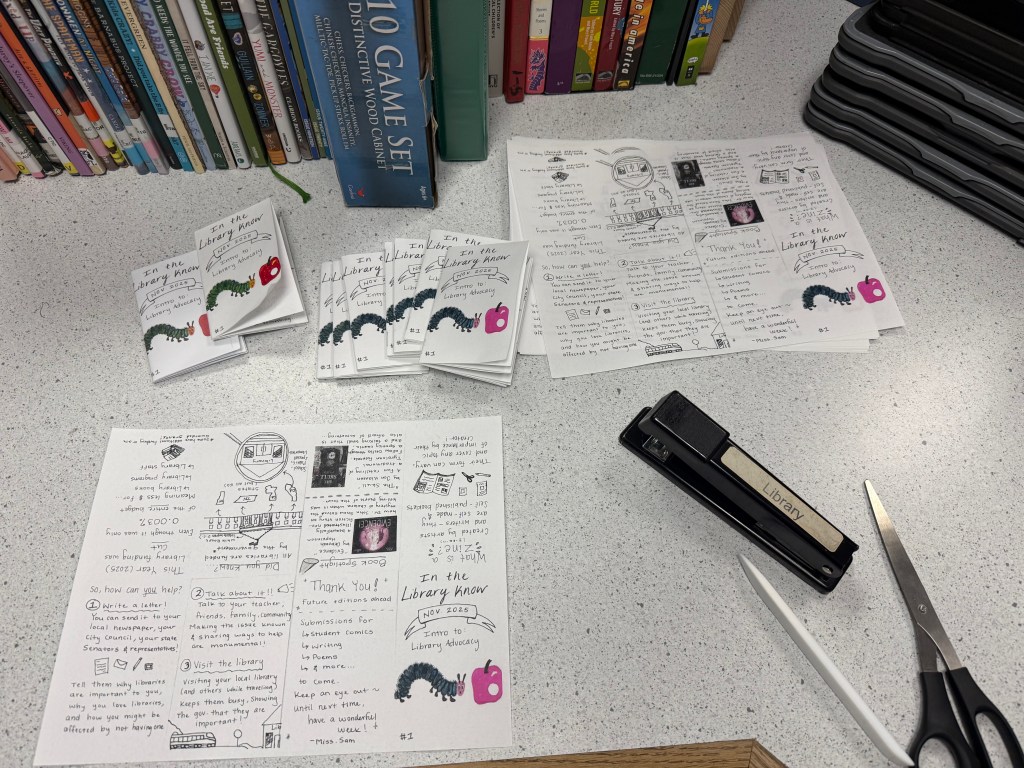
    The zine making process

    Creative Process

    I pulled out my watercolor markers, favorite gel pen, and got to work. It was honestly relaxing and exciting, and was already sparking ideas for the next. The format was quite limiting considering my topics of choice, but that made the half page format seem less intimidating. However, who doesn’t love a “tiny” book as my students began to reference them.

    The format was as follows:

    • Intro – What is a zine? – short synopsis on the history of zines and explanation of purpose
    • Book Spotlight – Showcasing books in the library with a short summary
    • “Did you know?” – A dive into a topic of choice with Nov. being libraries and government funding, how it works, and what “advocacy” as students can look like
      • How to exercise advocacy as a student, and how to support libraries
    • Conclusion – Thank you and call for submissions

    I used my printer/scanner at home to get the scan of my final copy, before sending that file to my work email and printing them on the color printer I was so graciously gifted by the office when it was replaced with a newer one. I started with about 35 copies, but quickly needed to make more by request of students who wanted their own copy once it started to spread. With a student population of 7+ being around 300~, I probably went through about 100 zines.
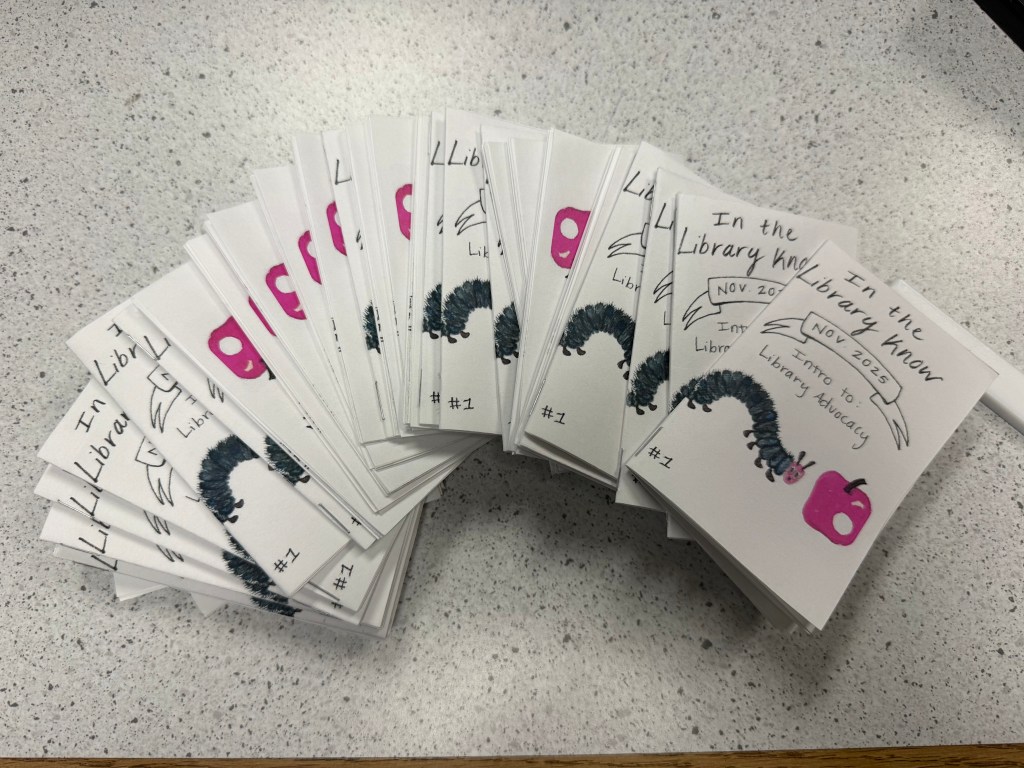
    A completed stack ready to be set out

    Reflection

    Overall, this required very little materials, and was doable with some downtime after shelving books. After it was created and copies were printed, the only thing that took up time was folding them… This could definitely be a task for library helpers. All this to say, I would love to see more libraries creating zines and incorporating student work, it is an extremely manageable project and was well received by staff and students.

    This was a fulfilling project, and I am excited at the prospect of student contributions to future editions. Unfortunately, I am leaving my elementary library soon, and will not be able to see this project through long-term with my students. I hope to continue it at the public library I am joining, so we shall see… more to come, potentially!

    Until next time,

    Sam

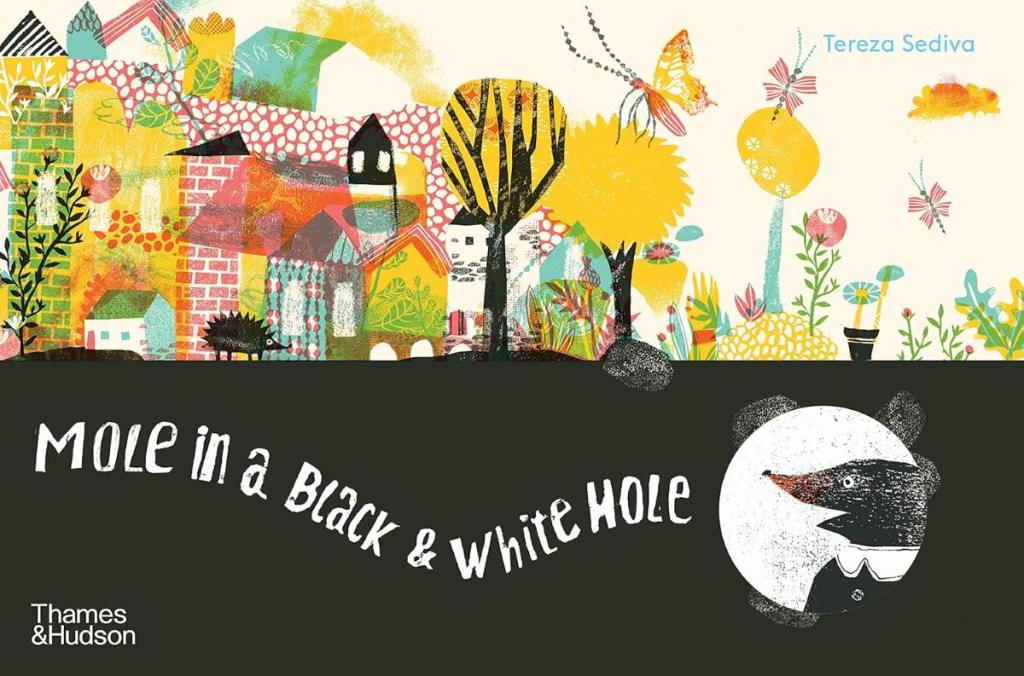
  • “Mole in a Black & White Hole” by Tereza Šedivá (2021) – Book Review

    Synopsis

    Mole lives in his little hole, with his (radish?) pink chandelier, a blanket, and a tv set. Void of color, mole is enticed to venture out into the world by his chandelier friend, who relays the outside images to mole via what they see with their leaves. As the days go on, mole’s beliefs about the world are challenged until one day – his beloved chandelier is missing, sun shining in its place.

    Mole must writhe in his dungeon or take a chance to explore where he has never gone before. Who knows, maybe night and day have more to offer than the same old black and white existence…


    Illustrative Juxtapositions

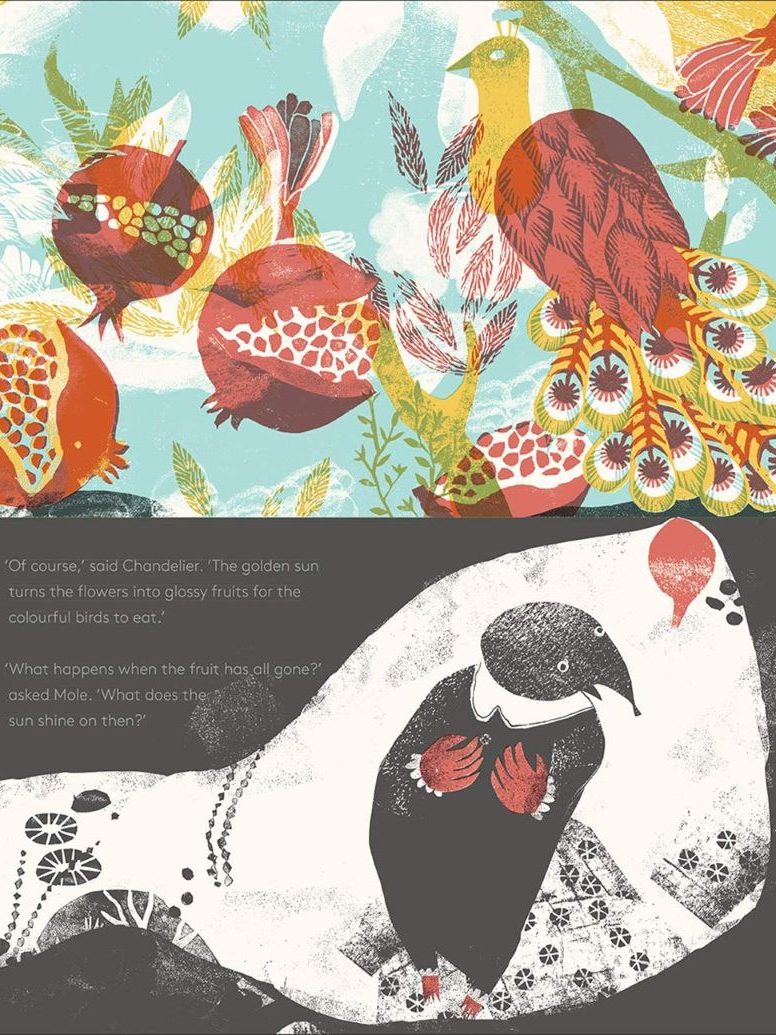
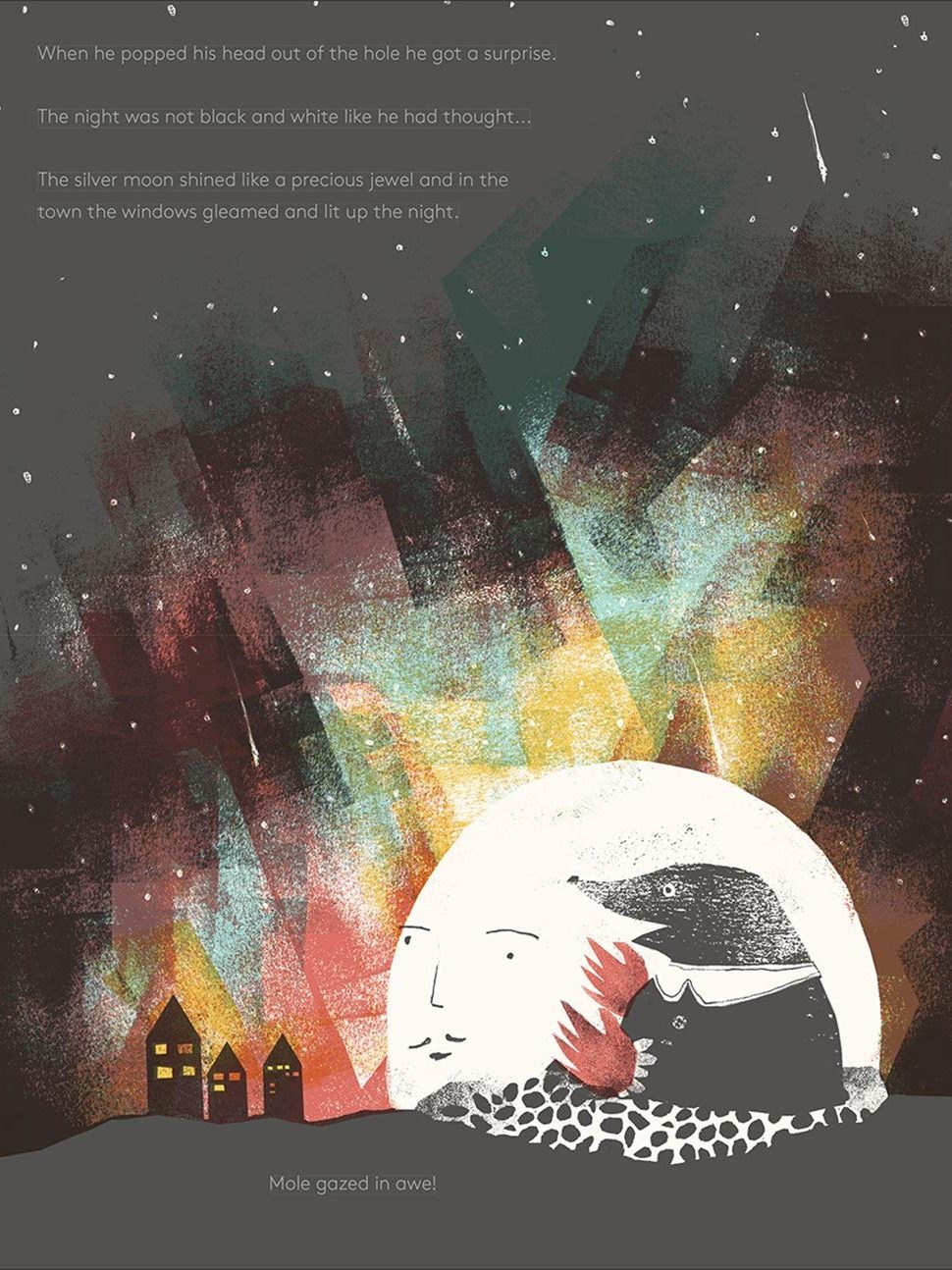
    As mole is introduced into the world of colors that make up our environment, Šedivá plays on bright exuberance against mole’s persistent black dreary cave. They bring a fun intermingling of borderline unsettling scenes with the neon nature and homes above ground.

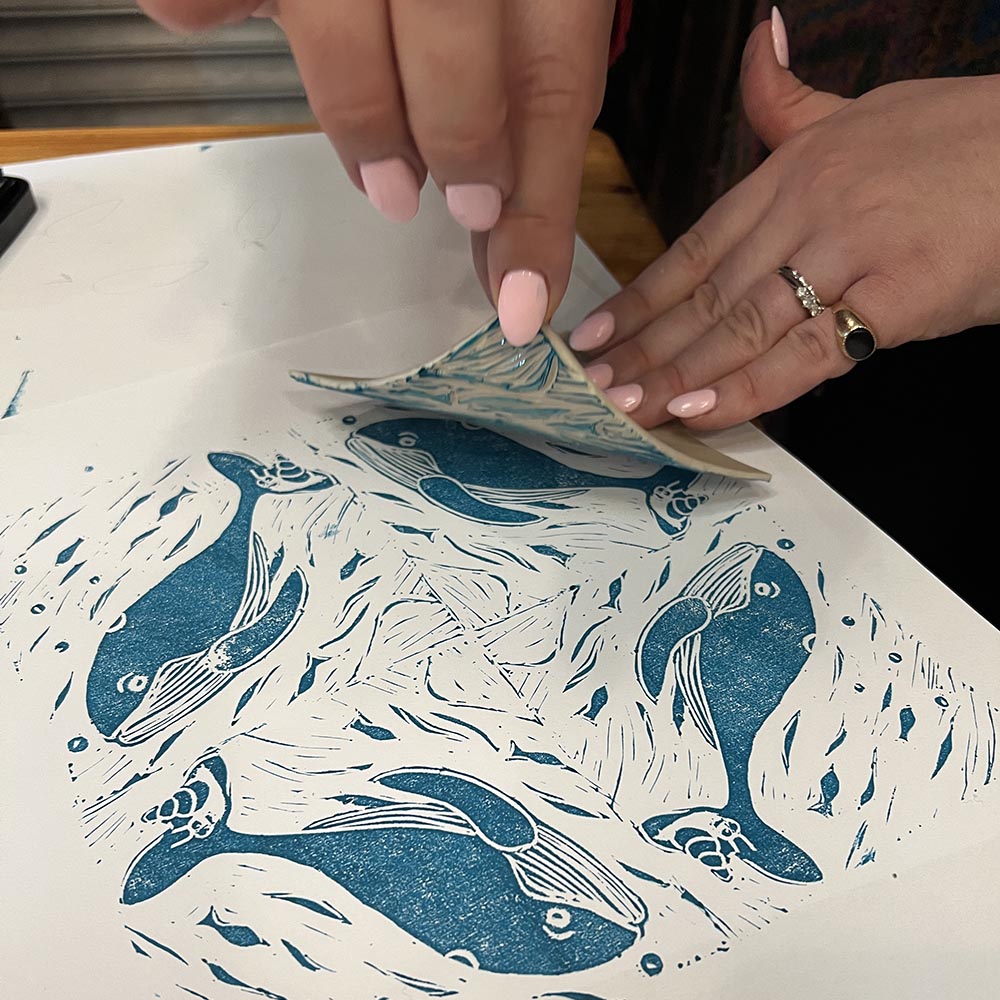
    Šedivá utilizes the art form of linocut illustrations, or lino printing. This consists of hand carved linoleum being used as a stamp of sorts, with ink being applied to the carving and “printed” onto paper (Feather & Folktales, 2022). This adds a depth to this story’s creative process as a whole.

    Exeter Phoenix (2023)

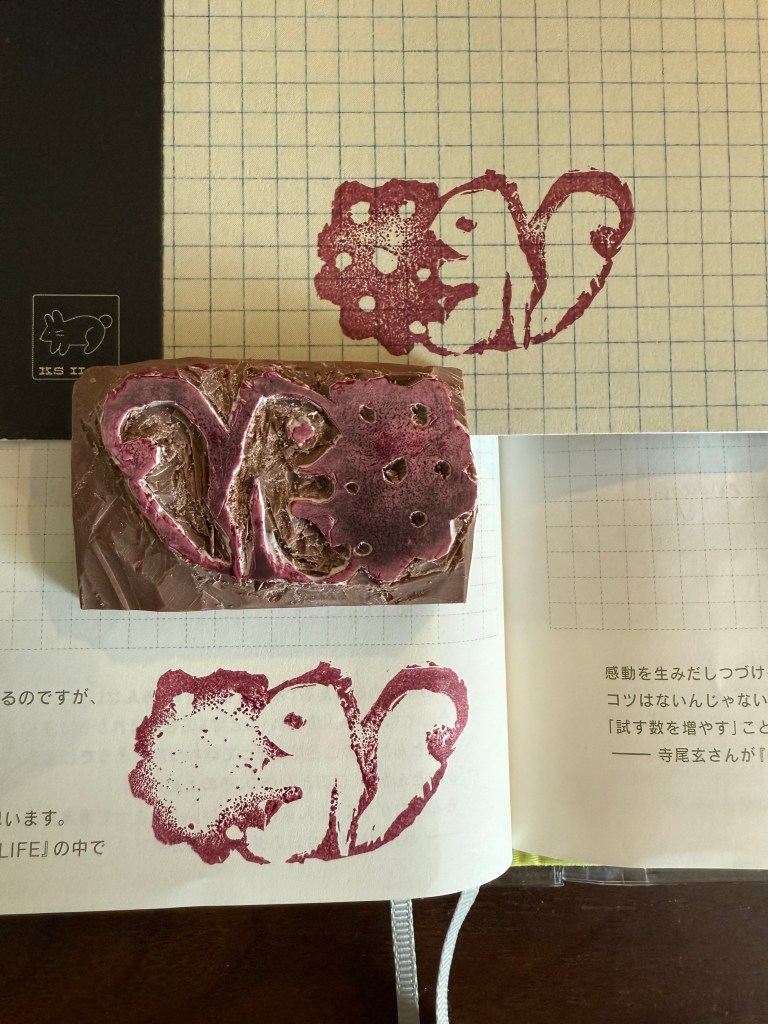
    Having dabbled very mildly in stamp creation (which to be fair, uses a different base medium than linoleum but regardless) I can say it definitely seemed ‘easier’ in my head than reality bared. Granted I was using an old xacto knife as my only tool, it was complicated to create rounded edges and small details. Bare witness to the stamp that took me a solid hour to… carve!

    First stamp carving (2025)

    Takeaways

    The story embraces curiosity, acknowledges discomfort and distrust, while ultimately rewarding the strength in stepping out. Not only is the message and process an important and relatable one, but the illustrations bring a dynamic format to readers’ minds. This could easily be paired with different types of art activities that challenge learners to step out of their comfort zone and attempt new medias and color choices.

    Where to buy:

    Any major book retailers for the most part, but here is the publisher themselves:

    https://www.thamesandhudsonusa.com/books/mole-in-a-black-and-white-hole-hardcover


    References

    Amazon. (n.d.). Mole in a black and white hole: Sediva, Tereza [Image]. https://www.amazon.com/Mole-Black-White-Tereza-Sediva/dp/0500652058

    Exeter Phoenix. (2023). Workshops in the shop: Creative intro to lino printing with a drink [Image]. https://exeterphoenix.org.uk/events/creative-intro-to-lino-printing/

    Feathers & Folktales. (2022). What is linocut art? [blog post]. https://feathersandfolktales.com/diemdangersblogposts/what-is-linocut-art


    Leave a comment

  • Pre-existing Resources & Sites

    Having built multiple websites during my MLIS program, I am being realistic with myself that going at a leisurely pace – this site will take eons to build to satisfaction. Okay perhaps a year or so before I am comfortable with its progress however, I would like to link and showcase some of the work that I have done.

    Why reinvent the wheel eh?…

    Okay but seriously, here are links to the following:

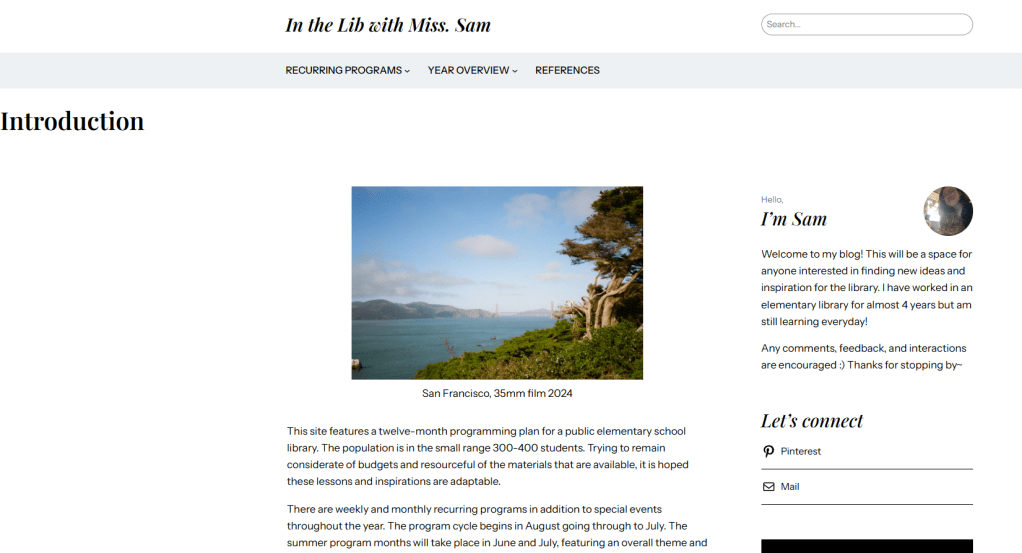
    A WordPress site filled with an entire year’s worth of lessons, read alouds, club ideas, and more! This was 5 months of many many hours, but it came out okay and will definitely be of use for this upcoming school year:

    inthelibwithmisssam.wordpress.com

    Screenshot of homepage of In the Lib with Miss. Sam site that features a year's worth of library lesson plans.

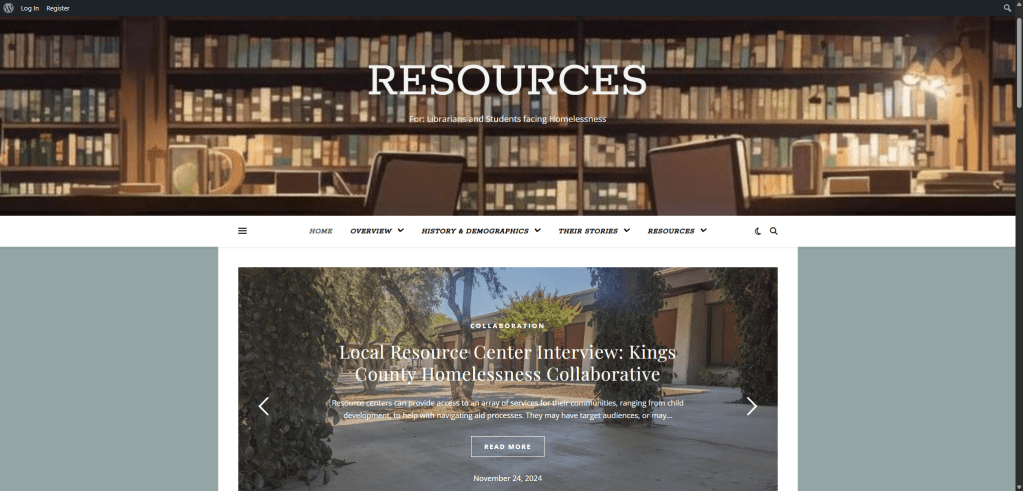
    This blog is tied to my SJSU student account at the moment… I am hoping to transfer it to this account but we shall see. It is dedicated to students experiencing homelessness and librarians who will work with them. It covers research, resources, and real-world analysis of what is being offered for my local community.

    https://ischoolblogs.sjsu.edu/info/info275resourcesforstudents/

    Screenshot of my website Resources for Librarians and the students facing homelessness they work with

    For inquiring minds, my entire School portfolio is on WordPress as well, however, I am not supposed to have it public. I will provide the link but it does require a request for access that I may or may not grant. For those looking to hire or whatnot… let me know and I will gladly let you peruse:

    samanthasteenportfolio.wordpress.com


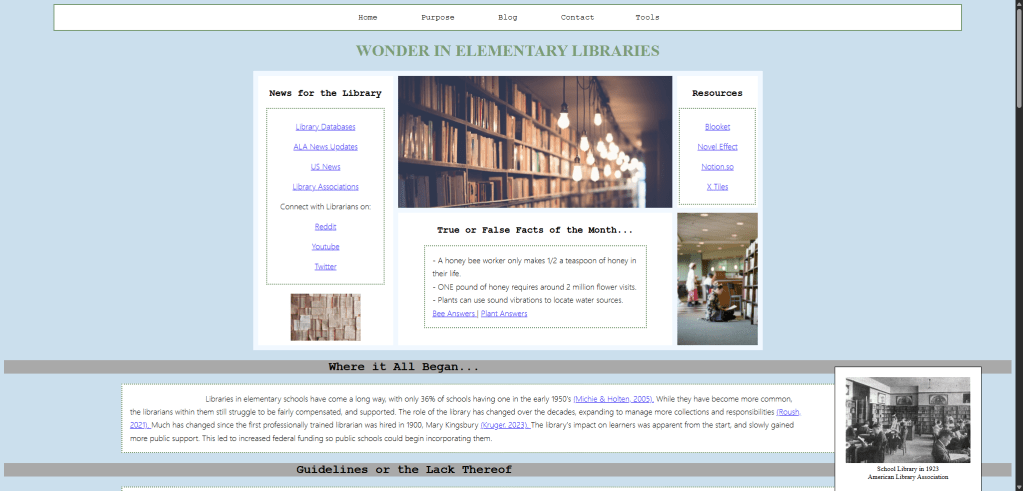
    Well in my head that felt like a lot more, there are sites I have built out of HTML/CSS such as this ugly little thing:

    https://samsteen137.w3spaces.com/index.html

    Note: It will say it is risky, it is simply HTML hosted on w3 Spaces I promise you will not get malware although this makes that seem all the more suspicious I suppose. Here’s a screenshot of my handiwork for those who fear the link.

    As well as this which was my first introduction into managing WordPress themes, pages, etc. after building sites solely through hand-typed HTML, CSS, and a smidge of Java and PhP.

    https://explorewithsam5.wordpress.com/


    Now that I have presented my case, I will continue to build upon what I know. I can’t promise some things might look a little funky before I figure it out, and if you see an idea disappear or duplicate –


    Leave a comment